Over the centuries, analogue data have served us very well. The paintings of masters were - and still primarily are - analogue. Photos, recordings, videos - those were all analogue. Analogue data is accurate, and that's its primary strength - but also its primary weakness.
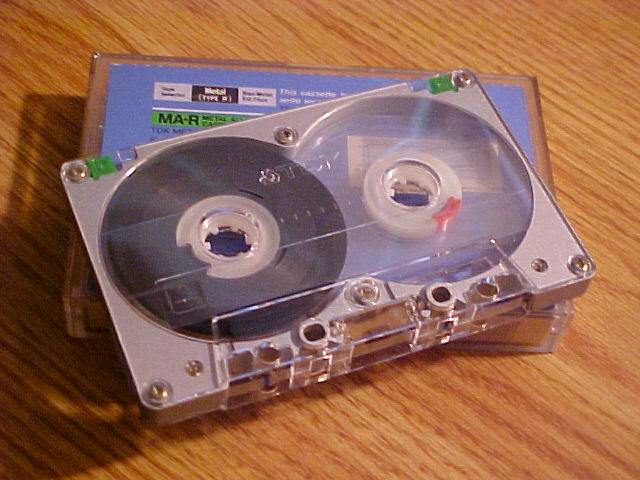
As analogue is very detailed, it takes up a lot of storage space. Moreover, it is hard to generate an exact replica of it. Every time you photocopy a printed document, it looks a bit less like the original. Errors in transmission are very common.
Analogue data have other weaknesses that inhibit the access, processing and analysis of data. In a sea of analogue data, it's hard to look for a specific item: Try searching for a particular word in a paper novel. Moreover, most analogue data are accessed sequentially rather than directly. That means you have to go through the whole tape until you find the desired datum. The seek time is thus very long. Remember how you continuously fast-forwarded and rewinded your casette player? So many hairs pulled!

